Design Detail
The zoom-out is where scale proves itself
Why a finish should be evaluated from across the room as well as up close before it becomes a permanent feature.
September 1, 2026 · 4 min read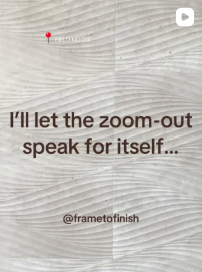
Close-up beauty does not guarantee a successful room
Texture, pattern, and movement can be compelling in a sample. The full room reveals whether the repetition supports the architecture or begins to compete with everything around it.
Study the material from the real viewing distance
Stand where the room will normally be experienced. Look at the scale of the pattern, the direction of movement, and the relationship to nearby cabinetry, flooring, lighting, and furniture.
Plan the edges before installation
Seams, termination points, outside corners, and transitions determine whether a feature feels integrated. These details are much easier to resolve on paper than after material is installed.
Pro Tip
Review material samples from across the room as well as at arm’s length. Let one strong surface lead and allow nearby finishes to support it.
Use a full-scale mockup when the pattern is strong
A rendering can communicate intent, but a taped elevation or assembled floor sample reveals repetition, joint spacing, and edge conditions at the scale people will actually experience.
Questions to ask
Where does the pattern begin and end? Which view is most important? How will corners, outlets, seams, and adjacent materials be handled? The answers should be understood before the order is released.
FROM THE FIELD
See the story behind the note.
Follow Frame to Finish for more job-site observations and practical design guidance.